
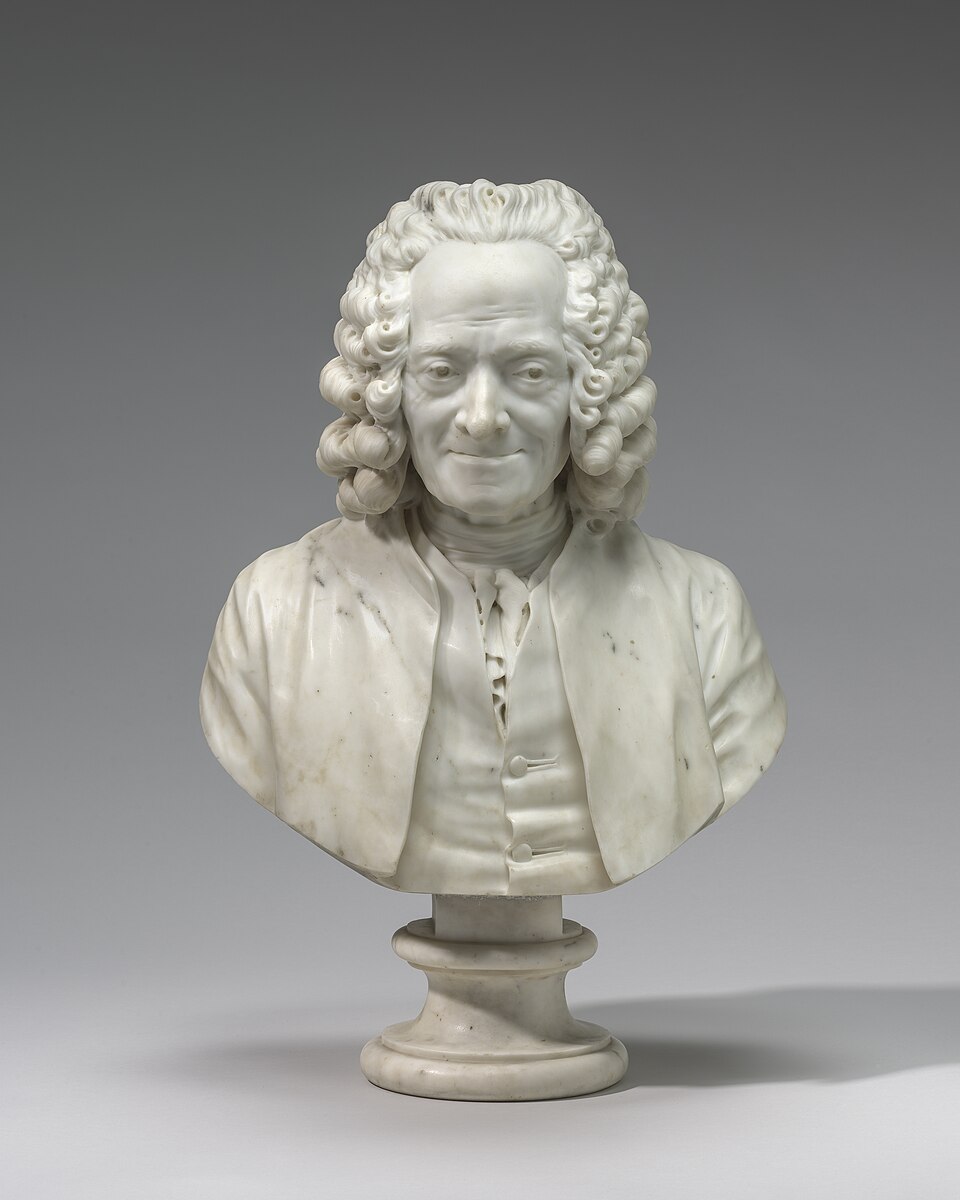
This Voltaire aphorism has been doing the rounds on social media: “Doubt is not a very agreeable state, but certainty is a ridiculous one.”
In addition to applying to a zillion other circumstances of modern life, it applies to *drum roll* contract drafting!
More specifically, it applies to an exchange from years ago that popped up randomly last week when I searched my email. The email in question relates to an article I had submitted to a journal. After not having heard anything, I followed up, suggesting archly that I might have “offended sensibilities.” My contact replied that my article had in fact “offended others.”
The article was scholarly, with lots of footnotes and zero polemic. (It was subsequently published.) I can imagine someone of delicate sensibilities being offended by a blog post in which I point and laugh at something. But that’s a different matter.
If you’re offended by my nerdy scholarship on the implications of a phrase that’s a fixture in contracts, that’s not a “me” problem, that’s a “you” problem.
I can imagine contracts scholarship provoking a range of negative reactions. Disbelief. Anger. Skepticism. Frustration. Contempt. Boredom. But being offended? That suggests I had somehow violated moral standards.
If you think I’m wrong, explain to me why I’m wrong. If in fact I’m wrong, I’d be delighted to hear about it. But if someone is offended, the issue is never that my scholarship is weak. Instead, whoever has been offended apparently has accumulated such cognitive debt from a career of copy-and-pasting and accepting lame conventional wisdom that they’re threatened by a reasoned argument showing that they’re mistaken.
Because a reasoned response to my scholarship would require the impossible—scholarship of their own—their only option is to shun me.
The response to my scholarship has for the most part being silence, apart from being cited by courts. As I explain in this 2020 blog post, the silence could be motivated by various reasons. And one can’t read anything into silence. But that email about my article is the one instance where someone confirmed that I had committed an offense against the traditionalist cult.
I wouldn’t be surprised if my two recent M&A articles (here and here) prompted a similar reaction in some. Well, we each have our tasks. Mine is to work to improve contracts, whereas some have taken upon themselves the task of believing as certainty the illusion that mainstream contract drafting is—to invoke Voltaire once more—the best of all possible contract languages. Yes, that certainty is ridiculous.
(I’m using the photo of the bust of Voltaire under a Wikimedia Commons license. The image is available here.)