
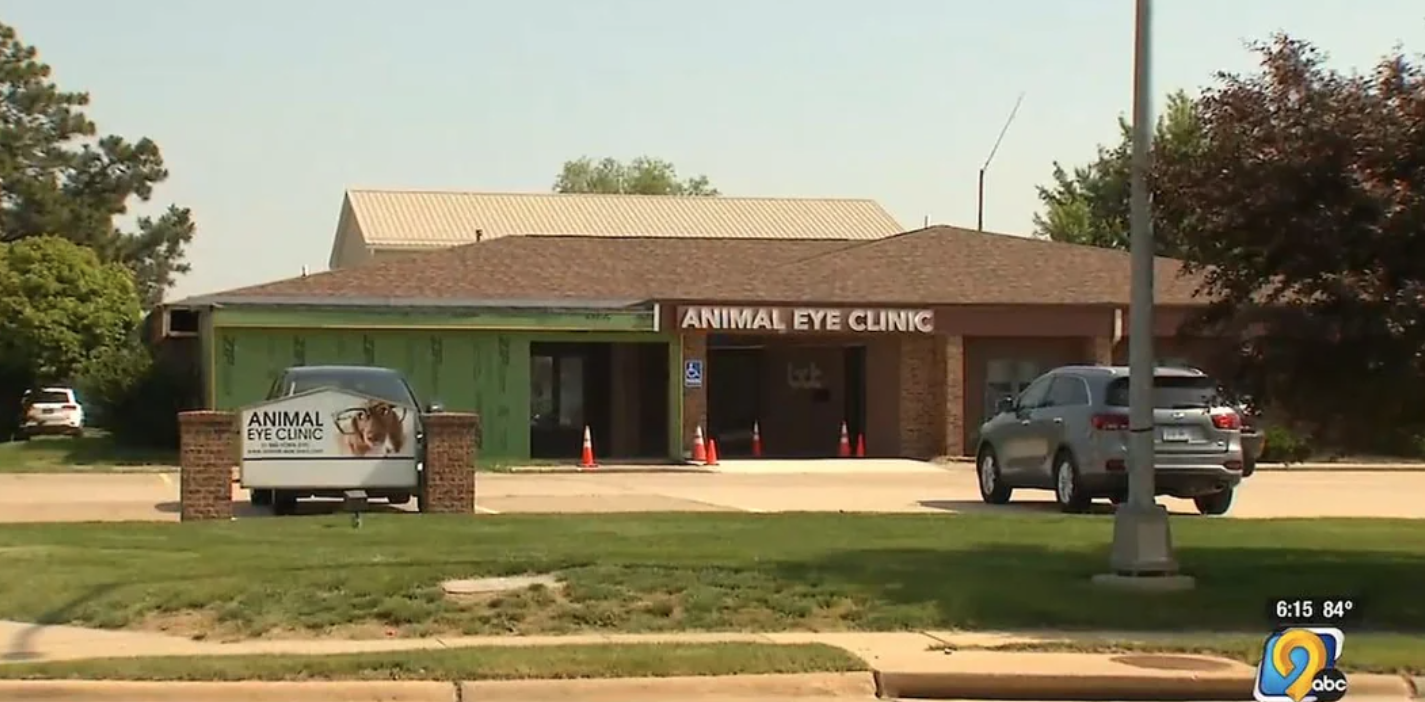
I noticed this story from Iowa local news channel KCRG:
An eastern Iowa veterinary hospital is suing its insurer in a dispute over the definition of an “animal.”
…
The lawsuit alleges that about 8:15 a.m. on Nov. 7, 2024, an adult deer crashed through one of the hospital’s windows and entered the building. “The deer rampaged through the property’s interior spaces, destroying numerous veterinarian specialty equipment, as well as computers, screens, media devices, and other pertinent veterinarian supplies,” the lawsuit claims.
According to the lawsuit, Sentinel then expressed its view that portions of AECI’s claims were excluded under the supplemental policy that theoretically provided an additional $350,000 in coverage for damage to computers and computer equipment.
That supplemental policy allegedly lists specific exclusions, stating in part, “We will not pay for loss or damage caused by or resulting from … insects, birds, rodents, or other animals.”
The lawsuit states that AECI countered with various legal opinions indicating the exclusion was “not meant for large, wild animals causing physical damage to the property, but instead was designed to eliminate liability for the insurer should an infestation of similar nuisance animals be discovered on the property after a mechanical failure.”
The lawsuit cites legal rulings that indicate when “general words follow an enumeration of specific items, the general words are construed to embrace only objects similar in nature to those enumerated.”
Interpreting the insurance policy, as Sentinel has, so that the phrase “other animals” includes a large, noninvasive wild deer to be similar or reasonably similar in nature to insects, birds and rodents is “improper, and Sentinel’s misinterpretation was purposeful, and intended to cause harm to AECI,” the lawsuit alleges.
I think the hospital has the better of this dispute, for the reason expressed in MSCD § 13.382:
Most courts are willing to apply to a list of items followed by a catchall phrase (as opposed to a general word followed by specific items) the rule of interpretation known as ejusdem generis. It holds that when a general word or phrase follows a list of specifics, the general word or phrase includes only items of the same class as those listed.
But as usual, the question for those who work with contracts is how this dispute could have been avoided. Basically, stay away from the structure A, B, C, or other X. Here’s how I might have written the sentence in question:
We will not pay for loss or damage caused by animals that make a home, nest, or refuge on the premises.
What do you think?

I was all set to agree with the insurance company. Then I came to this passage: “The lawsuit cites legal rulings that indicate when “general words follow an enumeration of specific items, the general words are construed to embrace only objects similar in nature to those enumerated.” That tilts the ruling in the hospital’s favor.
One adjective–“such”–might have obviated the dispute: “We will not pay for loss or damage caused by or resulting from … insects, birds, rodents, or other SUCH animals.”
Your rewrite–“We will not pay for loss or damage caused by animals that make a home, nest, or refuge on the premises–works even better.”
I’m always fascinated–and delighted–to learn how the interpretation of civil law and civil contracts aligns with Talmudic hermeneutics: https://en.wikipedia.org/wiki/Talmudical_hermeneutics
Paul:
The doctrine of ejusdem generis converts “other” into “such” or “similar.”
Chris
How about avoiding the wording “that make a home, nest, or refuge”?
That leaves: “We will not pay for loss
or damage caused by animals on the premises.”
Hi Jim. Your version works if the insured is willing to be responsible for the damage the deer caused.
Ken,
Your rewrite requires a showing of the intent of the animal. I suggest: “. . . will not pay for loss or damage caused by or resulting from any non-human member of the zoological domain.” No intent requirement and fully encompasses all animals living or dead.